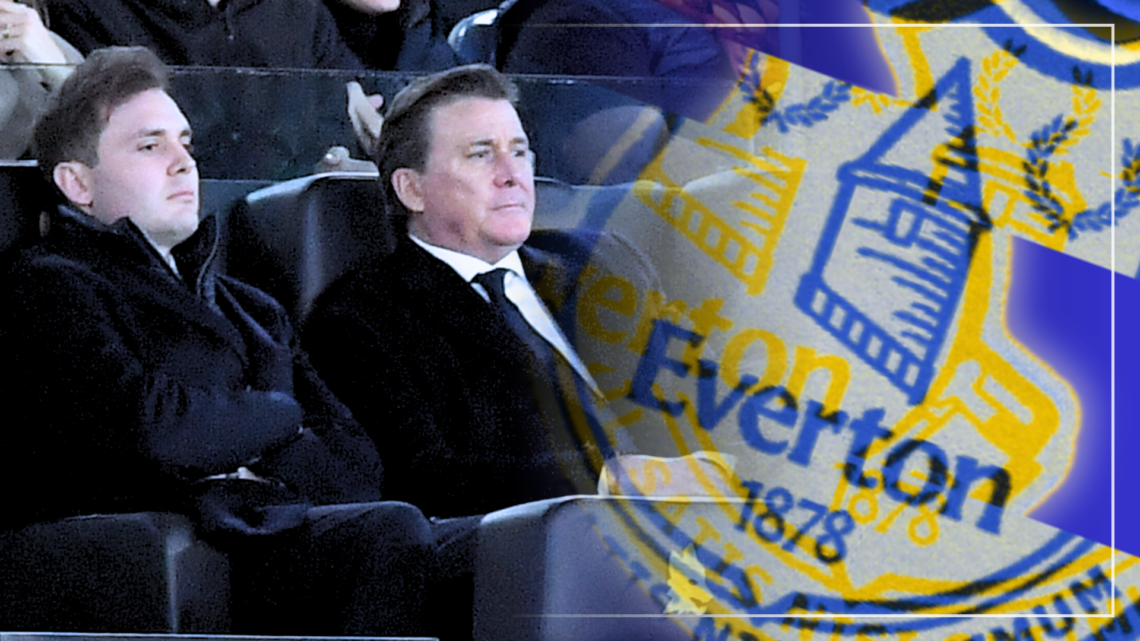


In terms of the actual price The Friedkin Group paid Farhad Moshiri, Everton’s new owners bought the club for a song. But their activity post-takeover has been anything but spendthrift.
‘New’ is perhaps a stretch here, actually. It is a year to the day since Dan Friedkin became the beneficial owner of Everton, relieving fans of anxieties about mounting debt, the transition to the as-yet unnamed Hill Dickinson Stadium and, after replacing Sean Dyche with David Moyes, relegation.
In what will be The Friedkin Group’s first full season in charge, the Toffees have been steady if unspectacular so far.
While victory over Arsenal on Saturday would be a tall order, Moyes’ side have produced some impressive results, in keeping with the general feeling of optimism and, crucially, stability at Bramley Moore Dock.
Would you prefer a display like this or something like Sunderland showed vs Newcastle?
This is going to be something very special! 🤩
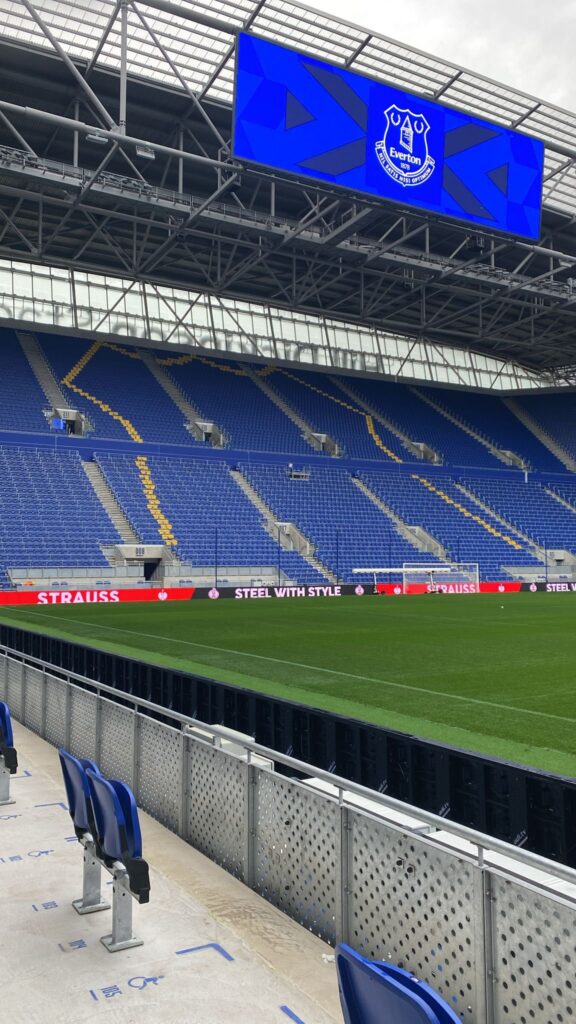
In terms of the bigger picture, the Friedkin Group have accelerated spending, although – having hopefully learned their lessons from run-ins with FFP during their time at AS Roma – not to a reckless level.
The women’s team, now permanently based at Goodison Park, have received significant investment too, as well as being used to book an artificial profit for PSR purposes a la Chelsea.
The Friedkin Group also have designs to deepen and potentially extend Everton’s multi-club structure too, having set up Pursuit Sports as a vehicle to house their various sports investments in the summer. There has been little word on what will happen in that department next, but this increasingly popular model is clearly part of the owners’ model.
Their investment hasn’t come cheaply, however. In total, taking into account their initial equity investment and subsequent share issues, The Friedkin Group have committed around £600m on Merseyside.
The Friedkin Group won’t fund Everton forever, says Kieran Maguire
In football as in any other business, owners have two means of generating a financial return on investment, broadly speaking:
- deliver profits and take dividends
- Grow the value of the asset and sell to a third party further down the line
To do either, a self-sufficient business model, or at least the early signs that the club is moving towards one, is probably necessary.
Speaking exclusively to Everton News, University of Liverpool football finance lecturer and Price of Football author Kieran Maguire says The Friedkin Group’s long-term aim will be to move away from the benefactor model and towards a more sustainable philosophy.
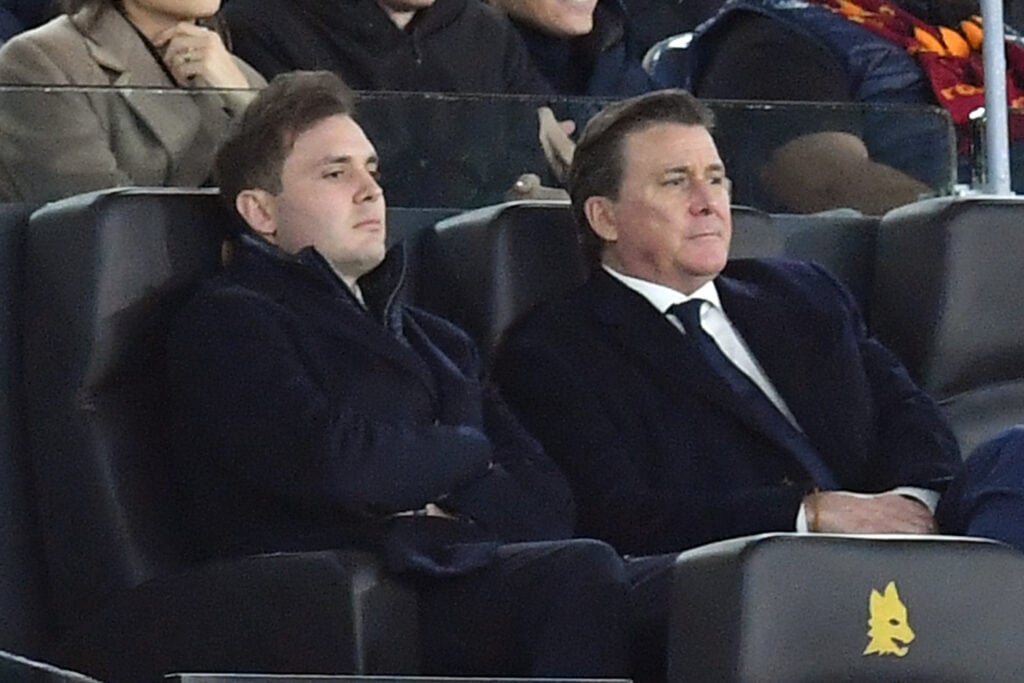
“That has to be the ambition of all club owners, to make the club self-sufficient and allow it to wash its own face. That’s what they will be looking at in the long term.
“It has cost The Friedkin Group substantial amounts to date. At some point, they need to take a step back and decide what the aim of the project is. If it is to challenge the Big Six, that is going to be very, very expensive.
“Even within the constraints of PSR, you can overspend. If you do the sums, you can achieve an extra, say, £50m in wages and amortisation for two years before there needs to be some retrenchment. So the new rules aren’t going to be the silver bullet that magically stops wage and transfer inflation.
“Or, do they want to be best of the rest? Get into the Europa League and do well in the cups.
“It’s that positioning that they need to focus on. Under Moshiri, there was a period where the focus was 17th or higher, but there is no doubt that The Friedkin Group’s ambitions are higher.
“They do need to improve on player sales, I would say, however. That is going to be crucial to the model going forward.”
How can Everton become a sustainable business?
As Maguire says, the Premier League’s incoming replacement for PSR, the Squad Cost Ratio (SCR) system, will not deliver sustainability by itself.
The new rules will limit Everton to spending 85 per cent of revenue plus a three-year average on player sale profits on first-team wages, transfers and intermediaries.
Why do you think Dan Friedkin still has not shown his face at Everton? 🤨
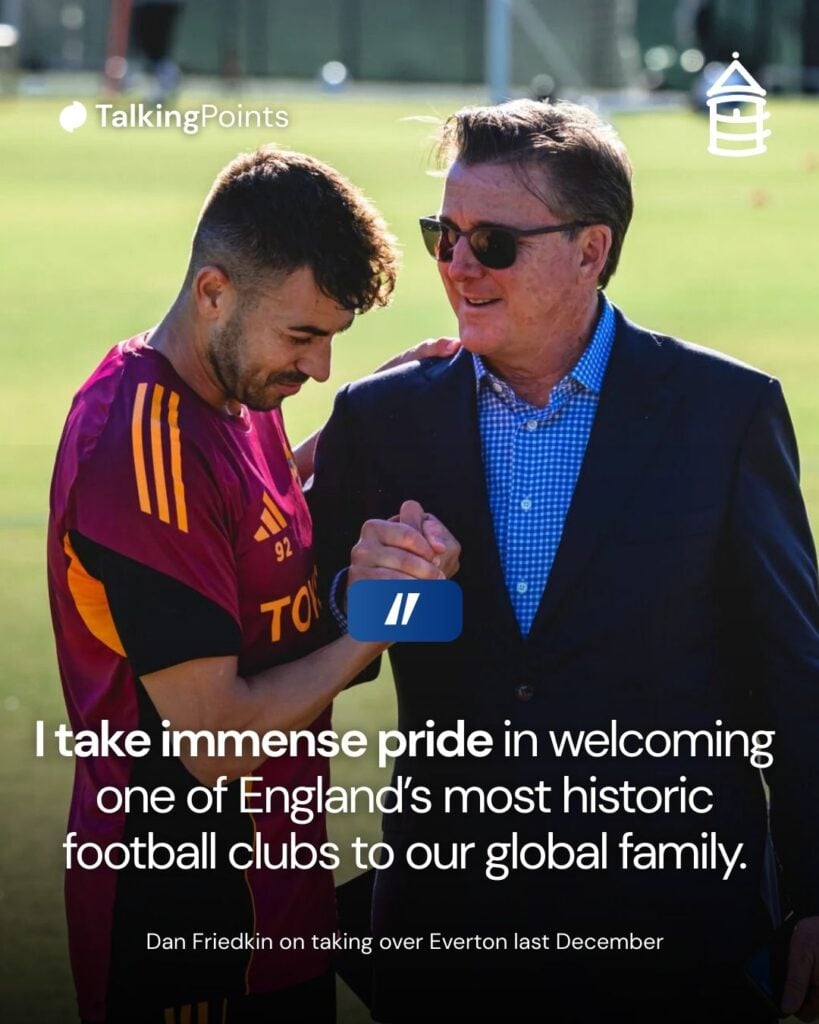
Since receiving the keys to Everton, Dan Friedkin has not visited his £400m purchase.
Ostensibly, that might sound like a formula that would inherently limit clubs to spending what they earn, but there are several reasons why this isn’t the case.
For one, the Premier League’s new system is flexible, allowing clubs to overspend on one season as long as they make up for it in subsequent years. Everton could, for example, overspend by five per cent for six seasons before they are hit with a sporting sanction, like they were twice under the PSR regime.
What’s more, spending outside wages and transfers is exempt from the calculation.
Everton’s administrative expenses alone last season were £44m, while probably around 25 per cent of the £157m total wage bill were non-first team wages.
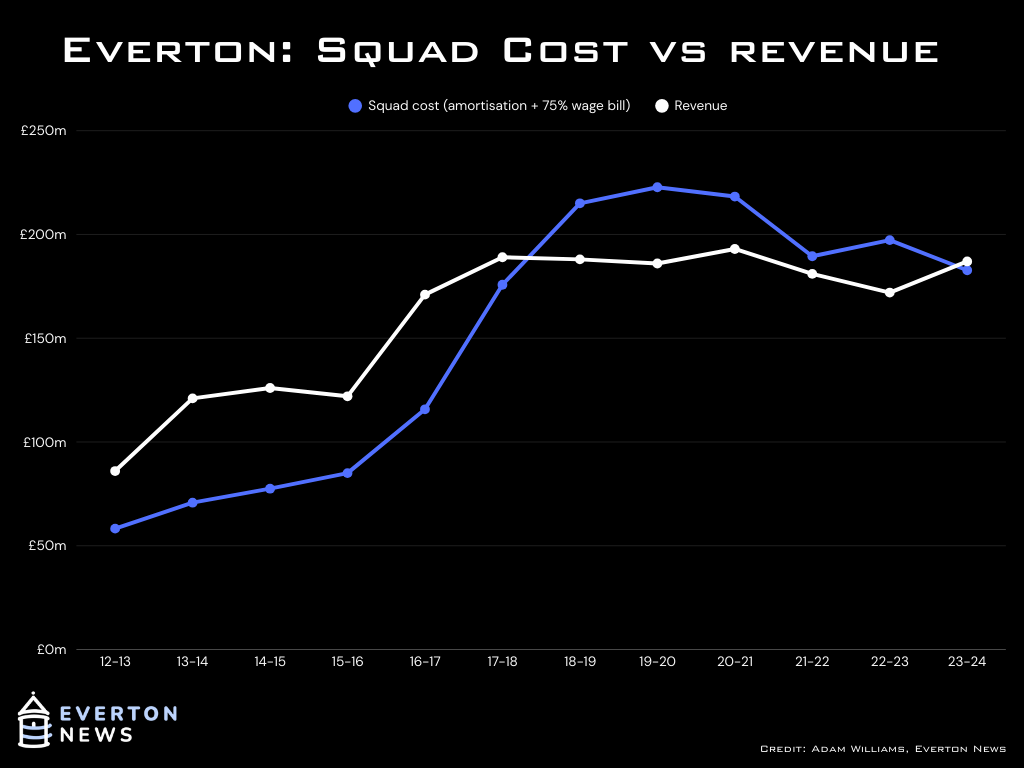
And given that financial rules have tended to act more as a floor than a ceiling for most clubs until now, Everton’s rivals will surely continue to push the boundaries of SCR. That in turn risks dragging the Toffees into an inflationary cycle in order to compete on the pitch.
So for Everton to be truly self-sufficient and competitive in the top third of the table under Friedkin, more structural change will likely be needed.
For fans hungry to see the club spend more and more on new signings, that might not sound like a bad thing.
But for the Premier League ownership class who eventually want a return on their sky-high takeover costs, it’s a conundrum yet to be cracked.
Receive a digest of our best Everton content each week direct to your mailbox