Everton threw a golden opportunity away at the end of the season to play in Europe – and some grim statistics have now emerged about the end-of-season capitulation.
The Toffees have been left to lick their wounds, after failing to win any of their last seven games of the season.
That was a disgraceful performance from Everton… something has to change! 😤

Everton ended up finishing 13th in the table, which is extremely disappointing.
Everton were in a fantastic position after the last international break. The 3-0 win over Chelsea should have been the catalyst to finish the season strong.
But the final seven games were a disaster – and Everton’s loss of defensive solidity has now been further underlined.
Everton’s main strength became their biggest weakness
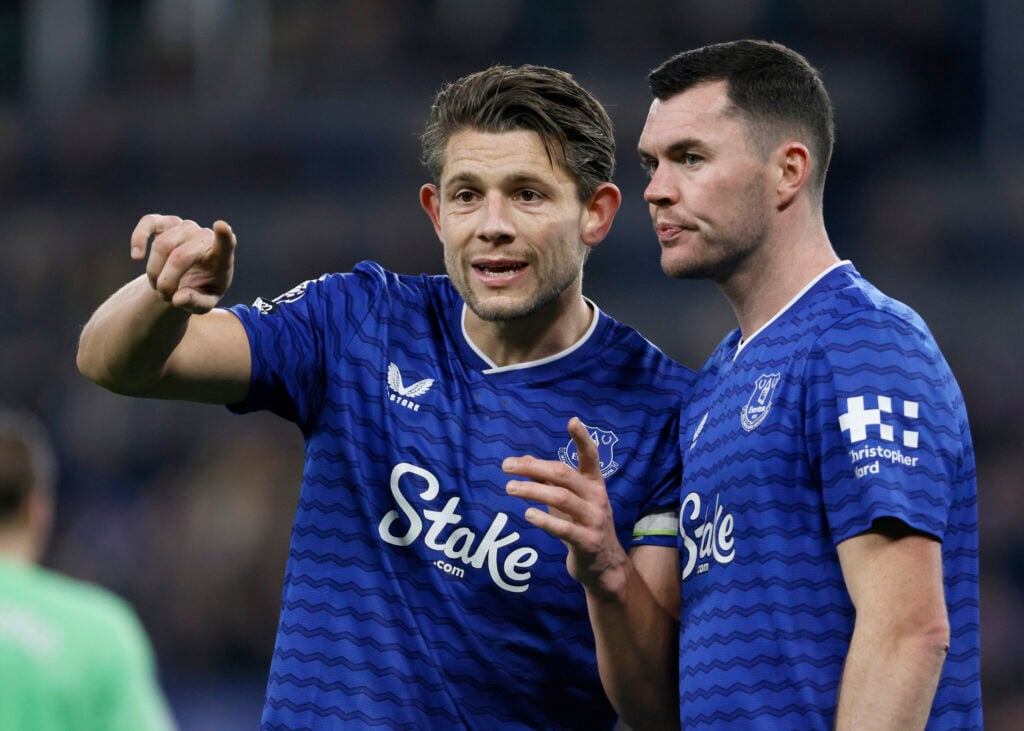
Many people are now picking the bones out of Everton’s last seven games.
The run included four defeats and three draws.
And 15 goals were conceded across those final seven games, compared to 35 conceded across the first 31. That gives an average of 2.14 goals per game for the final seven, versus 1.13 goals per game for the first 31.
It’s also worth looking at the shots Everton conceded.
Across the last seven games, Everton faced 110 shots faced, for an average of 15.7 shots per game.
In the first 31 games, Everton faced 282 shots faced, for an average of 9.1 shots per game.
The likes of Iliman Ndiaye and Kiernan Dewsbury-Hall have rightly come in for criticism for being wasteful in front of goal, and David Moyes has also felt the wrath of the supporters for some of the decisions he’s made.
But Everton’s loss of defensive solidity at a crucial stage has played a huge part in the failure to qualify for Europe.
David Moyes’ response to losing Jarrad Branthwaite was inadequate
The injury to Jarrad Branthwaite really stung Everton.
He’d been in great form before he left the field on a stretcher against Liverpool, and losing him was always going to be a blow.
But it didn’t need to be as big a blow as it ultimately was.
The smart and obvious thing to do was to put Jake O’Brien in the middle, because Everton were losing pace with Branthwaite.
O’Brien is much quicker than James Tarkowski and Michael Keane and is obviously also great in the air.
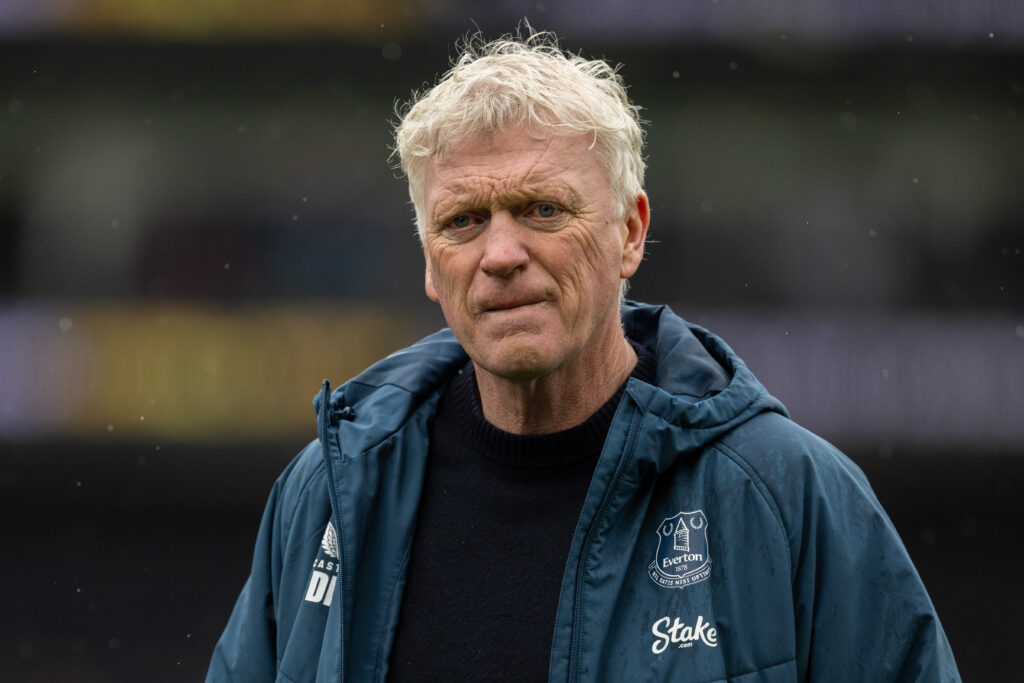
But Moyes kept him at right-back, overlooking the likes of Nathan Patterson and Seamus Coleman. Even James Garner could have played there to allow O’Brien to move inside.
But Everton’s defensive struggles in those final seven games cannot just be pinned on the personnel in the backline itself.
At times Everton just sat back and invited pressure as a collective – and that is on the manager.
Receive a digest of our best Everton content each week direct to your mailbox